
Fort Walton Beach Public Adjuster
Licensed Florida Insurance Claim Help for Okaloosa County Military Families & Homeowners
✓ No Fee Unless We Recover
✓ Featured on Forbes, Realtor.com & Insurance.com
✓ 5 Stars on Google
Fill Out the Form Below to Get Started With your Free Claim Review:
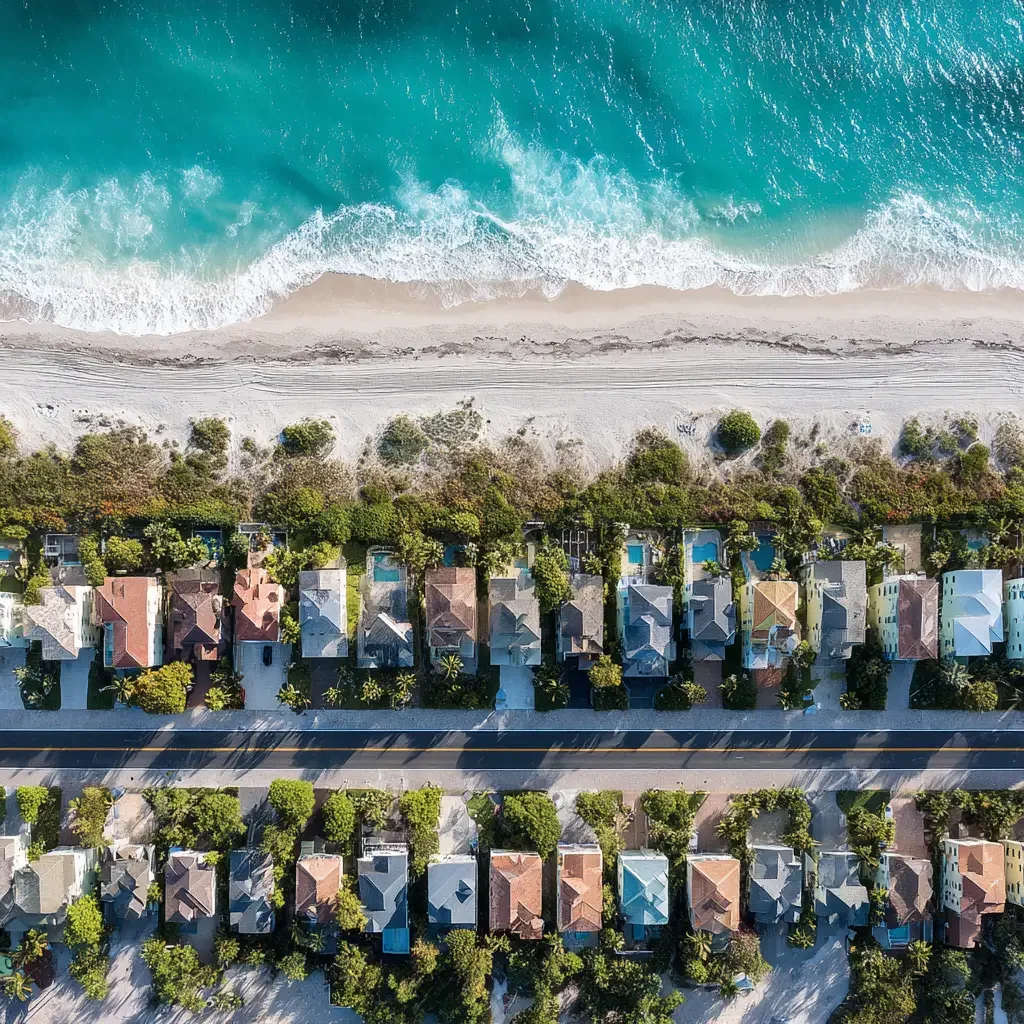
Fort Walton Beach is one of the most underserved insurance markets on the Emerald Coast. Military families rotate in and out frequently, often carrying policies purchased in other states that don't translate well to Florida's hurricane and flood exposure. When a storm damages your property near Eglin or Hurlburt Field, you may be dealing with a USAA claim, a SCRA-covered lease situation, or a landlord policy that excludes tenant-caused damage entirely. Shoreline Public Adjusters knows how to work inside those frameworks.
As a licensed Florida public adjuster (License #G199012), we represent Fort Walton Beach homeowners, military families, and business owners across the Okaloosa County communities of Wright, Mary Esther, Shalimar, and Cinco Bayou. We've seen how carriers handle claims differently here — closing files fast, leaning on flood exclusions for properties on the Sound, and lowballing roof supplements on aging military-era housing stock. We push back on all of it.







As Seen On:










Get Your Free Fort Walton Beach Claim Review

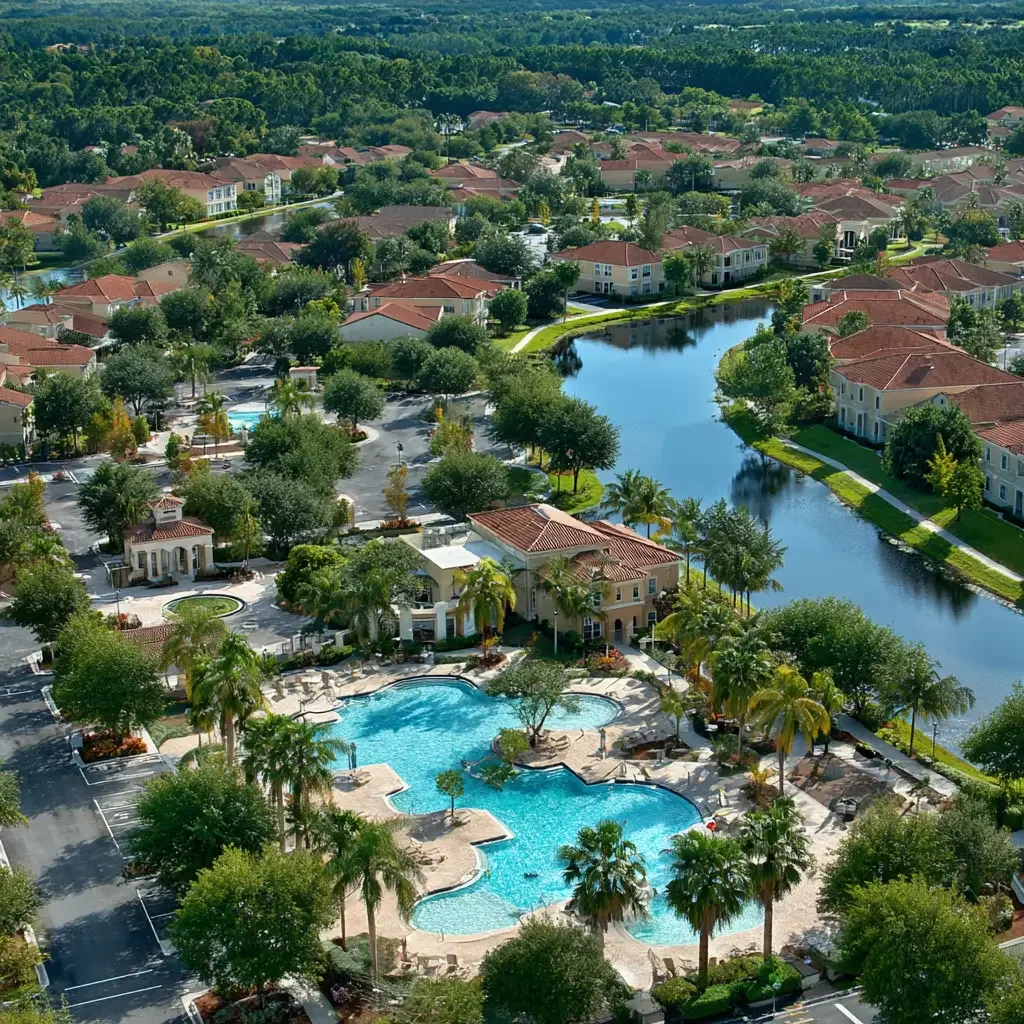

Areas We Serve in the Fort Walton Beach Region
We represent homeowners and military families across the six municipalities that make up the greater Fort Walton Beach metro, the military installations that drive the local economy, and the inland Okaloosa County cities where severe thunderstorms and hail cause the bulk of non-hurricane claims.
Greater Fort Walton Beach Metro
Fort Walton Beach, Wright, Mary Esther, Shalimar, Cinco Bayou, Ocean City, and Okaloosa Island — the waterfront and sound-side communities where storm surge funnels through narrow channels and pushes into streets barely above sea level.
Eglin AFB & Hurlburt Field
On-base and off-base housing near Eglin Air Force Base and Hurlburt Field, including Wynnehaven Beach Estates, Garniers Beach, and the neighborhoods along Lewis Turner Boulevard where military families face storm damage alongside duty-schedule conflicts and PCS relocations.
Northern Okaloosa County
Niceville, Valparaiso, Crestview, Bluewater Bay, Rocky Bayou, Baker, Holt, and Laurel Hill — inland communities where hail, straight-line winds, and bay-side flooding from Boggy Bayou and Tom's Bayou drive the majority of property claims.
If you own property in the Fort Walton Beach area and need help with an insurance claim, contact our team for a free review. It costs nothing for us to examine your policy and assess your damage.
Types of Property Damage We Handle in Fort Walton Beach
The six communities of greater Fort Walton Beach share a geography that multiplies risk. Santa Rosa Sound, Choctawhatchee Bay, and the Gulf beyond Okaloosa Island surround properties on three sides — making every storm season a multi-front event for homeowners and businesses here.
Hurricane & Tropical Storm
Wind & Tornado
Water & Flooding
Fire & Smoke
Hail Damage
Mold Damage
Commercial & Business Losses
HOA & Condo Claims
Business Interruption
Why Fort Walton Beach Property Owners Need a Public Adjuster
Fort Walton Beach is built around the military. Nearly 70 percent of Okaloosa County's economy ties directly to Eglin Air Force Base and Hurlburt Field. That makes this a community of active-duty service members, defense contractors, retirees, and the families who support them. It also means that when a hurricane or severe storm rolls through, the damage hits working families in homes they depend on — not vacation rentals they can write off. A Fort Walton Beach public adjuster fights to make sure your carrier pays the full cost of restoring the home your family lives in every day.
Hurricane Opal made a direct Category 3 landfall on Okaloosa Island in October 1995. Storm surge of three to ten feet flooded ground-floor units across Fort Walton Beach. The storm destroyed 115 single-family homes, 13 multifamily buildings, and 23 hotels. Another 30 single-family homes and 57 multifamily structures took major damage. Hurricane Ivan followed in 2004 with 130 mph winds that caused damage comparable to Opal. Hurricane Sally stalled over the western Panhandle in September 2020 and dumped 15 to 30 inches of rain across Okaloosa County. Sally alone impacted roughly 1,400 residential structures and 19 commercial buildings in the Fort Walton Beach area.
After each of those storms, insurance carriers sent their own adjusters to survey the damage. Those adjusters report to the carrier. Their job is to close files quickly and settle for the lowest amount the policyholder will accept. In Fort Walton Beach, where the median home value sits around $320,000 and many families are on a single military income, accepting a lowball offer can mean choosing between unfinished repairs and financial strain that lasts for years.
How Carriers Minimize Fort Walton Beach Claims
Insurance companies use predictable tactics in military communities. They know service members are busy. They know PCS orders create urgency. They know families stationed overseas cannot show up for inspections or push back on a low estimate. Carriers exploit all of this. They schedule inspections during duty hours. They send paperwork with tight deadlines. They issue partial payments and call the claim closed before hidden damage is documented.
A Fort Walton Beach public adjuster changes that dynamic. We inspect your property with Xactimate estimating software, thermal imaging cameras, and moisture detection equipment. We photograph and measure every damaged area before the carrier can dispute what the storm caused. We build a claim package backed by physical evidence — not guesswork — and we negotiate until the settlement covers the actual repair cost.
Military Families and Okaloosa County Insurance Claims
Eglin Air Force Base covers 725 square miles and employs more than 20,000 military and civilian personnel. Add roughly 20,000 family members living on or near the base, and Eglin alone accounts for a massive share of the Fort Walton Beach housing market. Hurlburt Field, home to Air Force Special Operations Command, adds another 8,000 military personnel and nearly 14,000 total employees. Thousands of these families own homes in Fort Walton Beach, Wright, Mary Esther, Shalimar, and Cinco Bayou.
Many of these homeowners transferred from states where insurance works differently. Florida's system — with separate wind policies, named storm deductibles, Citizens Property Insurance mandates, and NFIP flood requirements — catches new arrivals off guard. When damage hits and PCS orders are pending, sorting through multiple policies with different carriers, deadlines, and exclusions is overwhelming. We take over every step. If the Air Force sends you to a new duty station mid-claim, your case keeps moving. We handle the carrier calls, attend every inspection, and push for the full settlement whether you are in Fort Walton Beach or stationed on the other side of the world.
How We Handle Your Fort Walton Beach Insurance Claim
From the moment you reach out, one adjuster owns your case through final payment. No handoffs, no departmental transfers — the person who inspects your property is the same person negotiating with your carrier six months later.
On-Site Assessment & Evidence Collection
We schedule a thorough walk-through of your Fort Walton Beach property — ground level through the ridge line — and bring the equipment to capture what the human eye misses. Thermal imaging reveals moisture trapped behind walls and under tile. Drone photography maps roof damage that ground-level inspections routinely overlook. Pin-point moisture meters trace water migration paths through slab edges, baseboards, and subfloor cavities. Every reading goes into an Xactimate-formatted report with timestamped photos. For claims involving structural questions — load-bearing wall cracks, truss displacement, foundation settling near the Sound — we coordinate independent engineering evaluations before the carrier's adjuster ever sets foot on the property.
Coverage Mapping & Claim Submission
Before a single form goes to any carrier, we pull apart every policy attached to your property. In Fort Walton Beach, that often means three separate contracts: a primary homeowners policy, a wind-only policy through Citizens or a surplus lines writer, and a standalone flood policy. Citizens now requires flood coverage for all wind-insured homes by January 2027. Military families who bought USAA or Armed Forces Insurance in another state may carry terms that clash with Florida rules. We match each damage item to the right policy and submit a complete claim package — photos, cost estimate, and statute references — so the carrier has no reason to stall.
Carrier Confrontation & Escalation
Insurance companies push back on documented claims. We plan for it. When the carrier's field adjuster arrives, we walk the property alongside them — pointing out every item in our report and challenging any line they attempt to exclude. If the carrier questions whether wind or water caused a specific entry point, our sequenced moisture data and photo timeline resolve the dispute on the spot. When negotiation stalls, we escalate: formal demand letters referencing §627.70131 deadlines first, then Florida's binding appraisal process if the gap between our documented cost and the carrier's offer remains unreasonable. The goal is the fastest path to a fair number, whether that takes two weeks of calls or a formal umpire ruling.
Final Payment & Supplemental Recovery
A first check from the carrier rarely covers the full repair scope. Older Fort Walton Beach homes often hide problems behind finished surfaces — bad sheathing under a roof overlay, corroded wiring inside plaster walls, mold growing beneath vinyl plank that looked fine from above. Each find triggers a new filing with updated estimates and fresh photos. We track every payment the carrier sends, compare it to the contractor's real costs, and press for more funds until the gap closes. The case stays active until your property is fully restored — not just partly patched.
Florida Insurance Laws That Protect Fort Walton Beach Policyholders
Military families and long-term homeowners in the Fort Walton Beach metro face insurance disputes shaped by PCS relocations, base housing transitions, and carriers that treat Okaloosa County as a single risk pool without distinguishing coastal from inland properties. Florida statutes give you specific tools to fight back — and federal protections under the Servicemembers Civil Relief Act add another layer most adjusters never mention.
Claim Timing Protections for Military Families Under SCRA and Florida Statute 627.70131
Florida law requires carriers to acknowledge a claim within 14 calendar days, share any damage estimate within 7 days of completing it, and reach a pay-or-deny decision within 60 days of receiving a sworn proof of loss — 90 days after a Governor-declared emergency. These deadlines run regardless of whether you are physically in the state. For Eglin and Hurlburt families who file before a PCS transfer or deployment, the statute prevents carriers from using your absence to slow the process. The Servicemembers Civil Relief Act adds federal protection that can pause certain legal and financial obligations during active-duty deployments, meaning a carrier cannot hold a missed inspection appointment or delayed document against you when you were on orders. We coordinate every claim deadline with your duty schedule so no statutory window closes while you are unavailable.
Windstorm Deductible Misapplication in the Fort Walton Beach Metro
Florida Statute 627.701 distinguishes between percentage-based hurricane deductibles — which trigger only during a National Hurricane Center–declared named storm — and flat-dollar deductibles that apply to all other wind events. After a severe thunderstorm or tropical storm that never reached hurricane classification, your percentage-based hurricane deductible should not apply. Carriers routinely process Fort Walton Beach wind claims under the hurricane deductible anyway, inflating out-of-pocket costs by thousands of dollars. We review your declarations page against the official weather event classification and challenge every incorrectly applied deductible. Eglin Air Force Base operates one of the most detailed weather stations in the Panhandle, and we use its publicly available wind-speed and gust data to prove exactly which deductible category applies to your loss.
Bad Faith Remedies When Carriers Exploit Relocation Gaps
Florida Statute 624.155 creates a legal pathway for policyholders whose carriers handle claims in bad faith — deliberately underpaying, unreasonably delaying, or denying valid claims without justification. In the Fort Walton Beach metro, bad faith tends to follow military relocation cycles. A family files a hurricane claim, receives PCS orders a few months later, and the carrier sits on the file knowing the policyholder has left the area and is less likely to push back. The claim eventually settles for a fraction of its value or dies on the vine. That pattern meets the threshold for a Civil Remedy Notice. We prevent it by maintaining full claim pressure regardless of where you move — your case stays with the same Shoreline adjuster whether you transfer within Florida, relocate to another state, or deploy overseas.
Your Right to Hire a Public Adjuster at Any Stage
Florida law allows you to bring in a public adjuster before filing, during negotiation, or after a denial. Your carrier cannot cancel your policy, raise your premium, or retaliate because you chose outside representation. If anyone — including the carrier's adjuster — discourages you from hiring professional help, that conduct may itself violate Florida insurance regulations. Shoreline holds Florida License G199012, maintains a $50,000 surety bond, and completes all continuing education mandated by the Department of Financial Services.
Why Choose Shoreline Public Adjusters in Fort Walton Beach
Designed Around Military Life at Eglin and Hurlburt
We built our service model around the reality military families face in the Fort Walton Beach metro. Duty schedules that conflict with carrier inspection windows are not a problem — we attend every inspection on your behalf and represent your interests whether you are on base, TDY, or deployed. When PCS orders arrive in the middle of an open claim, your case stays with the same Shoreline adjuster regardless of where the military sends you next. We have settled claims for families who filed in Fort Walton Beach and closed from their next duty station in another state — the carrier never knew the difference because our pressure on the file never changed.
Multi-Peril Claim Coordination Across Flood Zones
Fort Walton Beach properties sit across multiple FEMA flood zones — from the high-risk VE zones on Okaloosa Island to the moderate-risk AE zones along the Santa Rosa Sound and the minimal-risk X zones in north Fort Walton Beach. A single storm can trigger a wind claim on your homeowners policy and a separate flood claim on your NFIP or private flood policy, each with its own adjuster, its own deductible, and its own payout timeline. We coordinate both claims simultaneously, ensure damage is attributed to the correct peril and the correct policy, and close the gap where wind and flood carriers each point at the other to avoid paying.
Local Adjuster Coverage Across Okaloosa County and the Eglin Region
Our Panhandle coverage isn't outsourced or subcontracted. Shoreline's team includes a Florida-licensed public adjuster who lives in the region and personally handles property inspections across Okaloosa County — from Fort Walton Beach proper through Niceville, Crestview, Mary Esther, and the Eglin and Hurlburt military housing communities. For active-duty households juggling duty schedules, deployments, or PCS timelines, that local presence means inspections, contractor meetings, and carrier walk-throughs happen on your schedule rather than waiting for an adjuster to drive in from across the state.
Eglin Weather Data and Engineering-Grade Documentation
Eglin Air Force Base operates one of the most detailed weather monitoring stations in the Panhandle. We pull Eglin's publicly available meteorological data — timestamped wind speeds, gust measurements, barometric pressure, and rainfall totals — to build an evidence file that ties your property damage to the specific weather event that caused it. When carriers argue that damage is "pre-existing" or "gradual," we counter with date-stamped atmospheric data correlated to the damage patterns our inspectors documented on site. For complex structural claims, we bring in licensed engineers whose reports reference this same data, creating a chain of evidence that holds up under carrier scrutiny.
Zero-Risk Contingency Fee
We collect a percentage of what we recover for you — nothing more. No retainers, no hourly charges, and no bill if the claim yields zero. Licensed in Florida (#G199012), Minnesota, and Wisconsin, with a $50,000 surety bond on every Fort Walton Beach engagement. Learn how public adjusters get paid.
Frequently Asked Questions
Common questions from Fort Walton Beach and Okaloosa County property owners about the insurance claims process.
No. We operate on contingency, which means our fee is calculated as a percentage of the settlement we collect — and only after we collect it. Florida statute limits that percentage to 10% during the twelve months following a declared catastrophe and 20% under normal circumstances. You owe nothing if the claim results in zero recovery. Every engagement starts with a written agreement that locks in the percentage before we inspect the property, and you have a 10-business-day right to cancel the contract at no cost. Read the full guide to how public adjusters get paid.
Yes — and military families often benefit more than most. Nearly 70% of the Fort Walton Beach economy connects to Eglin and Hurlburt Field, so we handle military claims regularly. Duty schedules, TDY assignments, and deployments make it difficult to attend carrier inspections, respond to document requests, or push back on lowball offers in real time. We act as your full representative throughout the process. If PCS orders arrive mid-claim, we keep the case moving without interruption — your claim stays with the same Shoreline adjuster regardless of where the military sends you next. The Servicemembers Civil Relief Act provides additional federal protections that we factor into every military family engagement.
It is almost always two separate claims filed against two separate policies. Wind and roof damage go through your homeowners or windstorm policy. Flood damage goes through your NFIP or private flood policy. Each policy has its own adjuster, its own deductible, and its own payout timeline. The danger is that both carriers point at each other — the wind carrier says the damage was caused by flooding, the flood carrier says it was caused by wind — and neither pays the full amount. We coordinate both claims simultaneously, attribute each element of damage to the correct peril and the correct policy, and prevent the gap where the two carriers try to shift liability back and forth.
This is one of the most common carrier errors we see in the Fort Walton Beach metro. Florida law distinguishes between hurricane deductibles — which only trigger during a storm the National Hurricane Center officially classifies as a hurricane — and standard wind deductibles that apply to all other wind events. After a tropical storm or severe thunderstorm that never reached hurricane status, the percentage-based hurricane deductible should not apply. Carriers apply it anyway because the dollar difference favors them by thousands. We review your declarations page against the official event classification and use Eglin AFB weather station data to prove which deductible category your loss falls under.
Prioritize safety first. Once conditions allow, photograph and video every area of damage — roof, siding, interior water intrusion, landscaping, fencing — before touching anything. Tarp open roof sections and board up broken windows to prevent additional damage, but do not throw away damaged materials or begin permanent repairs until the full scope has been documented by a professional. File a claim with your carrier and save the confirmation number. Then reach out to our team for a free inspection. Early documentation is the strongest tool we have against carriers who try to reclassify storm damage as pre-existing wear. Keep every receipt for emergency tarping, board-up, and temporary repairs — those costs are typically reimbursable under your policy.
Your claim does not move with you — it stays tied to the damaged property in Okaloosa County. But that does not mean you have to be here to manage it. When we represent you, the same Shoreline adjuster who inspected your property handles every carrier interaction, re-inspection, negotiation, and payment follow-up regardless of your location. We have settled claims for families who filed in Fort Walton Beach and closed from duty stations in other states. The carrier never gets the relocation gap it needs to stall or lowball your settlement.
Straightforward claims with solid documentation often settle within 30 to 60 days. Multi-peril claims — where wind and flood damage overlap — or disputed-coverage situations can extend to several months, especially if the carrier forces the claim into appraisal. Florida statute gives carriers 60 days to pay or deny after receiving your proof of loss, extending to 90 days following a declared emergency. Carrier response time is the biggest variable. Having professional representation from the start compresses the timeline because we submit complete documentation upfront and eliminate the back-and-forth rounds that drag out unrepresented claims.
Get Your Free Fort Walton Beach Claim Review
Do not let your insurance company undervalue your property damage claim. Contact Shoreline Public Adjusters today for a free, no-obligation review of your situation. Whether you have a new claim, a denied claim, or a settlement offer that seems too low, we can help.
Florida License #G199012
Serving the Entire Florida Panhandle
Beyond Okaloosa County, our team handles claims across the full Panhandle. We represent property owners in Destin and the Emerald Coast, Panama City and Bay County, Pensacola and Escambia County, and Tallahassee and the Big Bend region. Same licensed adjusters, same aggressive carrier negotiation — every Panhandle community we serve gets the same fight. View all Florida locations we serve.
Resource for Eglin AFB and Hurlburt Field Families
Active-duty homeownership creates complications that civilian claims simply don't have — PCS orders mid-claim, deployment timelines, base housing variations, and military-specific deductible structures. We compiled a complete walkthrough specifically for Fort Walton Beach military families navigating property claims while juggling duty: claims guide for Eglin AFB military families.
Insurance Claim Denied?
Learn more about how Shoreline Public Adjusters can help dispute home insurance claims and business insurance claims.